Exploration of what communication feels like in anxious, exhausted, or overwhelmed moments, across patients, families, and professionals, and how trust is built or lost through tone, pace, language, and presence.
The Language of Care
Healthcare conversations rarely happen when people are calm.
They happen when someone is unwell, anxious, uncertain, or overwhelmed. They happen under time pressure, often across cultural and language differences.
The Language of Care explores what communication feels like in those moments, and how tone, pace, language, and presence shape trust and understanding.
This series is not about analysing systems or questioning professionals, It is about listening to experience.
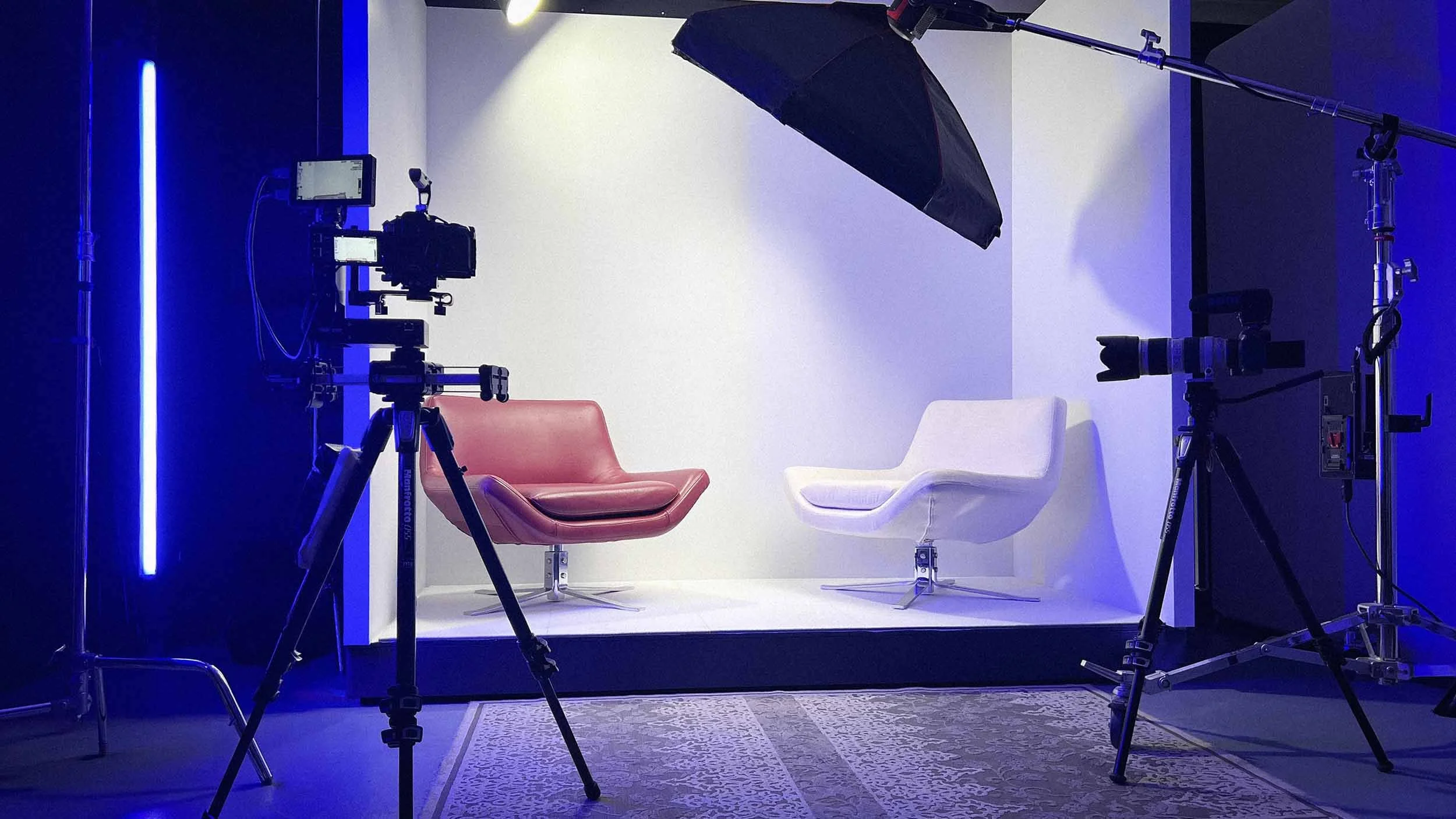
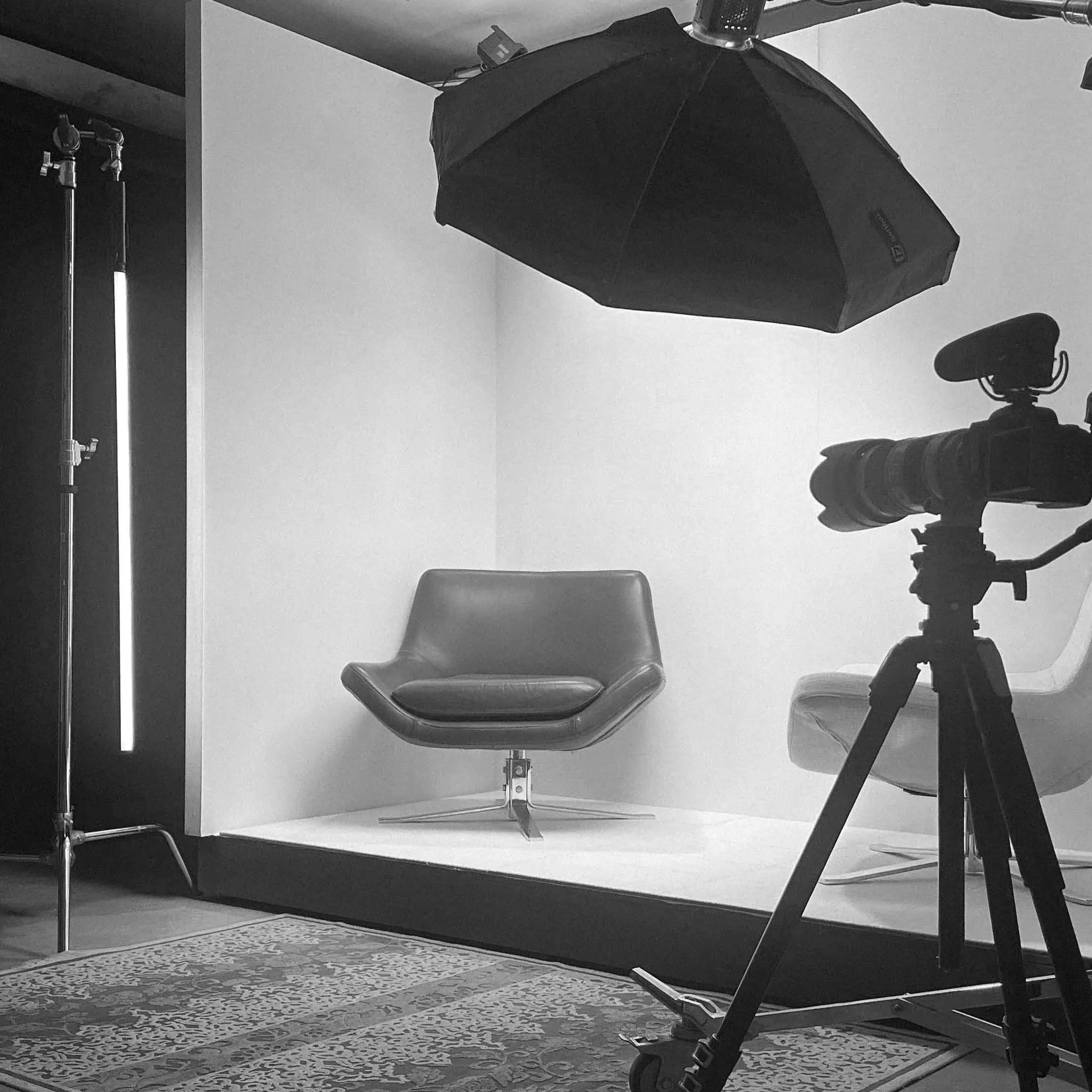
I chose to create this video series / podcast in my own time and within my own space. It is recorded professionally in a purpose-built studio located at my home, not in a commercial production facility. That decision was intentional.
Because these conversations are personal, I wanted the environment to feel calm, reflective, and human. Hosting the series in my own space allows for a slower pace and a more grounded exchange, while maintaining professional production standards.
This project exists because communication in healthcare matters deeply to me. Creating it independently ensures that it remains thoughtful, respectful, and focused on its core purpose:understanding how care is experienced through language.

[ Why This Exists ]
Homeyra Lalavi.
Why Awareness Is the First Step Toward Change
A calm conversation with a Psychologist who plays Violin from AwareCare Psychology
Masi G.
What Masi carried through her treatment
A quiet conversation with a Persian speaking woman, in the middle of breast cancer, about the language of care.
Newsha Javahery.
The Language of Therapy, Culture, and the Emotions
A calm conversation with a Psychotherapist who is a good listener from Newsha Counselling
We discuss:
Communication during vulnerable moments
Processing information under stress
Language and cultural barriers
Trust and emotional safety
How communication affects families
How visual and video communication supports understanding over time
The focus is communication, not diagnosis.
[ What We Explore ]
[ THE PROCESS ]
Before Recording
You receive a topic snapshot
You review and sign a participation agreement
You define any boundaries
During Recording
Hosted in a purpose-built video / podcast studio located within my home
Calm, contained, and non-clinical setting
Short informal conversation before recording
After Recording
Careful editing for clarity and privacy
No identifiable names included
Published in long-form and short-form formats
Shared through IMPRESSIVE Film platforms
Guests may include:
Patients
Family members and carers
Healthcare professionals
Counsellors and therapists
Clinical researchers
Compliance and safety leaders
Professionals working within healthcare environments
If your experience intersects with healthcare communication, you are welcome

[ Who Takes Part ]
Why Visual Communication Matters
Healthcare explanations are often delivered once, quickly, and under pressure.
Video allows people to:
Revisit information later
Process details in their own time
Share understanding with family
Reduce pressure during vulnerable moments
Through this series, we explore how visual communication strengthens clarity and trust.